

Diabetic Nephropathy and Hypertensive Kidney Disease
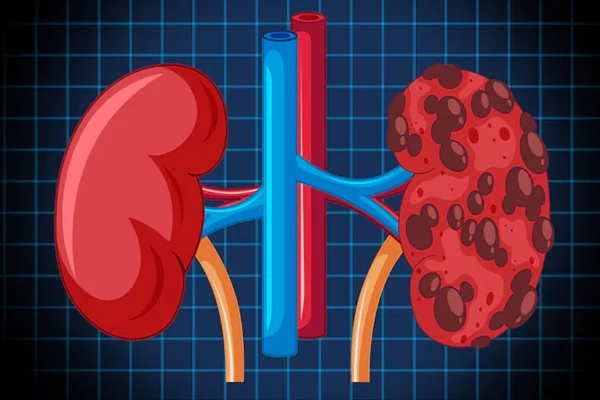
Diabetic Nephropathy and Hypertensive Kidney Disease
Diabetic Nephropathy and Hypertensive Kidney Disease are among the most common causes of Chronic Kidney Disease (CKD) and kidney failure worldwide. Both conditions gradually damage the kidneys over time, affecting their ability to filter waste products, regulate fluids, and maintain overall body balance. If left untreated, these diseases can lead to severe kidney dysfunction, dialysis dependency, and serious cardiovascular complications.
At the clinic of Dr. Pranav Tyagi, comprehensive and evidence-based management is provided for patients suffering from diabetes-related and hypertension-related kidney diseases. The primary focus is on early detection, kidney protection, blood sugar and blood pressure control, complication prevention, and long-term preservation of kidney function through personalised treatment plans and continuous monitoring.
What is Diabetic Nephropathy?
Diabetic Nephropathy is kidney damage caused by long-standing diabetes. High blood sugar levels gradually damage the small blood vessels and filtering units of the kidneys, reducing their ability to function effectively.
Over time, this condition can lead to:
- Protein leakage in urine
- Progressive kidney damage
- High blood pressure
- Fluid retention
- Kidney failure
Diabetic Nephropathy is one of the leading causes of End-Stage Renal Disease (ESRD).
What is Hypertensive Kidney Disease?
Hypertensive Kidney Disease occurs when uncontrolled high blood pressure damages the blood vessels inside the kidneys. Constant pressure on kidney vessels reduces blood flow and impairs kidney filtration function.
Long-term uncontrolled hypertension can:
- Cause chronic kidney damage
- Increase protein leakage in urine
- Reduce kidney filtration capacity
- Increase the risk of heart disease and stroke
Diabetes and hypertension often occur together, significantly increasing the risk of kidney complications.
Causes & Risk Factors
Uncontrolled Diabetes
Persistently high blood sugar damages kidney filtration units over time.
Why It Is Important
Poor diabetes control significantly increases kidney disease progression risk.
High Blood Pressure
Constantly elevated blood pressure weakens kidney blood vessels.
Why It Is Important
Blood pressure control is essential for protecting kidney function.
Obesity
Excess body weight increases the workload on kidneys and worsens diabetes and hypertension.
Why It Is Important
Weight management supports better kidney and cardiovascular health.
Family History
Genetic factors may increase susceptibility to diabetes, hypertension, and kidney disease.
Why It Is Important
Early screening is recommended for high-risk individuals.
Smoking & Unhealthy Lifestyle
Smoking, poor diet, lack of exercise, and excessive salt intake worsen kidney damage.
Why It Is Important
Lifestyle modifications help slow disease progression.
Symptoms of Diabetic & Hypertensive Kidney Disease
In the early stages, patients may not experience noticeable symptoms. As kidney damage progresses, symptoms may include:
Swelling in Legs, Feet & Face
Fluid retention occurs due to reduced kidney filtration.
Foamy or Frothy Urine
Protein leakage into urine often causes foamy urine.
High Blood Pressure
Kidney dysfunction and hypertension can worsen each other.
Fatigue & Weakness
Toxin buildup and anemia may reduce energy levels.
Frequent Urination
Especially during nighttime in some patients.
Loss of Appetite & Nausea
Advanced kidney dysfunction may affect digestion and appetite.
Shortness of Breath
Fluid accumulation can affect breathing.
Reduced Kidney Function
Blood tests may show rising creatinine and declining GFR levels.
Diagnosis of Diabetic Nephropathy & Hypertensive Kidney Disease
At the clinic of Dr. Pranav Tyagi, detailed evaluation and kidney monitoring are performed for accurate diagnosis and long-term management.
Blood Sugar Testing
Blood glucose and HbA1c tests assess diabetes control.
Why It Is Important
Good blood sugar control slows kidney damage progression.
Kidney Function Tests
Blood tests evaluate creatinine, urea, and estimated GFR levels.
Why It Is Important
These tests help determine kidney function and disease stage.
Urine Protein Testing
Urine tests detect protein leakage (proteinuria or albuminuria).
Why It Is Important
Protein in urine is an early sign of diabetic kidney damage.
Blood Pressure Monitoring
Regular blood pressure assessment is essential.
Why It Is Important
Maintaining controlled blood pressure protects kidney function.
Kidney Ultrasound
Imaging studies evaluate kidney size and structural abnormalities.
Why It Is Important
Ultrasound helps assess chronic kidney changes and complications.
Treatment & Management
Blood Sugar Control
Diabetes management is essential to protect kidney function.
Why It Is Important
Controlled glucose levels reduce damage to kidney blood vessels.
Blood Pressure Management
Special medications help maintain healthy blood pressure levels.
Why It Is Important
Proper blood pressure control slows kidney disease progression.
Proteinuria Reduction Therapy
Medicines may be prescribed to reduce protein leakage from kidneys.
Why It Is Important
Reducing protein loss helps preserve kidney function longer.
Kidney-Friendly Diet
Dietary modifications may include:
- Salt restriction
- Controlled protein intake
- Potassium and phosphorus management
- Healthy fluid balance
Why It Is Important
A balanced diet reduces kidney workload and supports overall health.
Lifestyle Modifications
Healthy lifestyle habits are strongly encouraged.
Recommendations Include:
- Regular exercise
- Weight management
- Smoking cessation
- Reduced alcohol intake
- Stress management
Why It Is Important
Lifestyle improvement reduces cardiovascular and kidney complications.
Medication Monitoring
Kidney-safe medications are carefully selected and adjusted when needed.
Why It Is Important
Certain medicines can worsen kidney damage if not monitored properly.
Dialysis & Transplant Planning
Advanced kidney disease patients may require renal replacement therapy planning.
Why It Is Important
Timely preparation improves long-term treatment outcomes.
Complications if Left Untreated
Without proper management, these conditions may lead to:
- Chronic Kidney Disease (CKD)
- Kidney failure
- Dialysis dependency
- Heart disease and stroke
- Severe hypertension
- Fluid overload
- Electrolyte imbalance
Early treatment significantly reduces complication risks.
Benefits of Early Kidney Disease Management
- Slows kidney damage progression
- Reduces dialysis risk
- Controls blood pressure and diabetes effectively
- Preserves kidney function longer
- Prevents cardiovascular complications
- Improves quality of life and overall health
Why Choose Dr. Pranav Tyagi?
Specialised Nephrology Expertise
Advanced management of diabetes-related and hypertension-related kidney diseases.
Personalised Treatment Plans
Every patient receives customised care according to kidney function and overall health status.
Evidence-Based Kidney Care
Modern nephrology protocols ensure accurate diagnosis and effective treatment.
Long-Term Monitoring & Prevention
Regular follow-up helps detect disease progression early and reduce complications.
Comprehensive Patient Counselling
Detailed education empowers patients to actively participate in kidney care management.
Frequently Asked Questions (FAQs)
1. What is Diabetic Nephropathy?
Diabetic Nephropathy is kidney damage caused by long-term uncontrolled diabetes.
2. How does high blood pressure affect the kidneys?
High blood pressure damages kidney blood vessels and reduces kidney filtration function over time.
3. Can diabetic kidney disease be prevented?
Yes, proper blood sugar control, healthy lifestyle habits, and regular kidney monitoring can help prevent or delay kidney damage.
4. What are the early signs of kidney damage in diabetes?
Protein in urine, high blood pressure, swelling, and abnormal kidney function tests are common early signs.
5. Is kidney damage reversible?
Early-stage kidney damage may improve with proper treatment, but advanced kidney disease often requires long-term management.
6. How important is blood pressure control in kidney disease?
Blood pressure control is extremely important because uncontrolled hypertension accelerates kidney damage.
7. Can diabetes and hypertension together worsen kidney disease?
Yes, both conditions together significantly increase the risk of chronic kidney disease and kidney failure.
8. What diet is recommended for kidney patients?
A kidney-friendly diet usually includes reduced salt intake, balanced protein consumption, and controlled potassium and phosphorus intake.
9. When should diabetic patients undergo kidney screening?
Diabetic patients should undergo regular kidney screening even if they do not have symptoms.
10. When should I consult a nephrologist?
You should consult a nephrologist if you have diabetes, high blood pressure, swelling, protein in urine, or abnormal kidney function tests.


