

Chronic Kidney Disease
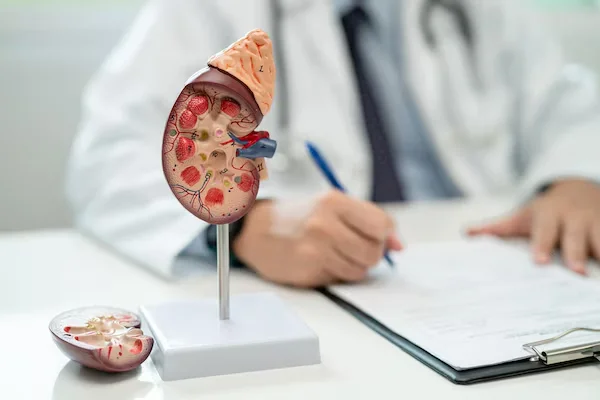
Chronic Kidney Disease (CKD) is a long-term condition in which the kidneys gradually lose their ability to function properly over time. The kidneys play a vital role in filtering waste products, balancing body fluids, controlling blood pressure, maintaining electrolyte balance, and supporting overall health. When kidney function declines progressively, harmful toxins and excess fluids begin to accumulate in the body, leading to serious health complications.
At the clinic of Dr. Pranav Tyagi, comprehensive and evidence-based Chronic Kidney Disease Management is provided with a strong focus on early diagnosis, slowing disease progression, preventing complications, and improving long-term quality of life. Every patient receives personalised treatment and continuous monitoring based on their stage of kidney disease, medical condition, and lifestyle needs.
What is Chronic Kidney Disease (CKD)?
Chronic Kidney Disease is a condition where kidney function gradually decreases over months or years. In the early stages, CKD may not cause noticeable symptoms, which is why many patients remain undiagnosed until the disease progresses significantly.
CKD can eventually lead to:
- Kidney failure
- Dialysis dependency
- Heart complications
- High blood pressure
- Electrolyte imbalance
- Fluid overload
Early detection and proper treatment are essential to preserve kidney function and reduce complications.
Common Causes of CKD
Diabetes
High blood sugar levels can damage the tiny blood vessels in the kidneys over time.
Why It Is Important
Diabetes is one of the leading causes of chronic kidney disease worldwide.
High Blood Pressure (Hypertension)
Uncontrolled blood pressure can weaken kidney blood vessels and reduce kidney function.
Why It Is Important
Proper blood pressure management is critical to slow CKD progression.
Glomerular Diseases
Inflammation and damage to kidney filters can lead to long-term kidney dysfunction.
Why It Is Important
Early treatment helps preserve kidney filtration capacity.
Genetic & Hereditary Kidney Disorders
Inherited conditions such as Polycystic Kidney Disease may gradually damage the kidneys.
Why It Is Important
Family history can increase the risk of developing CKD.
Recurrent Kidney Infections or Stones
Repeated infections or urinary blockage can permanently affect kidney tissues.
Why It Is Important
Preventive treatment reduces long-term kidney damage.
Autoimmune Diseases
Conditions like lupus and vasculitis may attack kidney tissues and impair function.
Why It Is Important
Controlling autoimmune activity helps protect kidney health.
Symptoms of Chronic Kidney Disease
CKD symptoms often develop gradually and may vary according to disease stage.
Fatigue and Weakness
Reduced kidney function causes toxin buildup, leading to low energy levels.
Swelling in Legs, Feet, and Face
Fluid retention due to poor kidney filtration can cause visible swelling.
High Blood Pressure
Kidney dysfunction often affects blood pressure regulation.
Changes in Urination
Patients may experience frequent urination, reduced urine output, or foamy urine.
Loss of Appetite and Nausea
Accumulation of waste products may affect digestion and appetite.
Shortness of Breath
Fluid overload can affect lung function and breathing.
Muscle Cramps and Sleep Problems
Electrolyte imbalance may contribute to cramps, weakness, and disturbed sleep.
Itching and Dry Skin
Toxin accumulation in advanced CKD can cause skin-related symptoms.
Stages of Chronic Kidney Disease
CKD is divided into stages based on kidney function (GFR level).
Stage 1 CKD
Mild kidney damage with normal or slightly reduced kidney function.
Stage 2 CKD
Early loss of kidney function with mild symptoms.
Stage 3 CKD
Moderate decline in kidney performance with increasing complications.
Stage 4 CKD
Severe kidney damage requiring advanced treatment planning.
Stage 5 CKD (Kidney Failure)
Very severe kidney dysfunction requiring dialysis or kidney transplantation.
Early-stage diagnosis significantly improves treatment success and long-term outcomes.
Diagnosis of Chronic Kidney Disease
At the clinic of Dr. Pranav Tyagi, detailed kidney evaluation and monitoring are performed for accurate diagnosis and disease management.
Blood Tests
Kidney function tests assess creatinine, urea, and estimated GFR levels.
Why It Is Important
These tests help determine kidney function and disease severity.
Urine Analysis
Urine tests detect protein leakage, blood, infection, and kidney abnormalities.
Why It Is Important
Protein in urine is often an early sign of kidney damage.
Blood Pressure Monitoring
Regular blood pressure assessment is essential in CKD management.
Why It Is Important
Uncontrolled hypertension accelerates kidney damage.
Kidney Ultrasound & Imaging
Imaging studies evaluate kidney size, structure, and obstruction.
Why It Is Important
Structural abnormalities may indicate chronic kidney damage.
Electrolyte Evaluation
Sodium, potassium, calcium, and acid-base levels are monitored regularly.
Why It Is Important
Electrolyte imbalance can affect heart, muscle, and nerve function.
Chronic Kidney Disease Management
Blood Pressure Control
Specialised medications help maintain optimal blood pressure levels.
Why It Is Important
Controlled blood pressure slows CKD progression and reduces cardiovascular risk.
Diabetes Management
Blood sugar control is essential for diabetic kidney disease patients.
Why It Is Important
Stable glucose levels help protect kidney blood vessels.
Dietary & Nutritional Management
Patients may require salt, potassium, phosphorus, and protein regulation.
Why It Is Important
A kidney-friendly diet reduces stress on the kidneys and supports overall health.
Medication Management
Medicines are carefully selected to protect kidney function and avoid further damage.
Why It Is Important
Certain medications can worsen kidney disease if not monitored properly.
Fluid Balance Monitoring
Fluid intake may be adjusted according to kidney function and swelling.
Why It Is Important
Proper fluid management prevents overload and complications.
Anemia & Bone Disease Management
CKD-related anemia and bone disorders are treated through medications and supplements.
Why It Is Important
Managing complications improves energy levels and quality of life.
Dialysis Planning
Advanced CKD patients may require timely preparation for dialysis support.
Why It Is Important
Early dialysis planning improves treatment safety and long-term outcomes.
Kidney Transplant Counselling
Suitable patients may be evaluated for renal transplantation.
Why It Is Important
Kidney transplant offers better long-term quality of life for many patients.
Benefits of Early CKD Management
- Slows kidney disease progression
- Reduces dialysis dependency risk
- Prevents complications and hospitalisation
- Improves blood pressure and diabetes control
- Preserves kidney function longer
- Enhances overall quality of life
- Reduces cardiovascular complications
Why Choose Dr. Pranav Tyagi for CKD Management?
Specialised Kidney Care Expertise
Comprehensive management of all stages of chronic kidney disease using advanced nephrology protocols.
Personalised Treatment Plans
Each patient receives customised care based on disease severity, medical history, and lifestyle.
Evidence-Based Medical Care
Modern clinical guidelines and updated nephrology practices ensure accurate and effective treatment.
Long-Term Monitoring & Follow-Up
Regular assessment helps detect disease progression early and improve outcomes.
Patient Education & Counselling
Detailed counselling empowers patients to actively participate in managing their kidney health.
Frequently Asked Questions (FAQs)
1. What is Chronic Kidney Disease (CKD)?
CKD is a long-term condition in which the kidneys gradually lose their ability to function properly over time.
2. What are the main causes of CKD?
Common causes include diabetes, high blood pressure, autoimmune diseases, infections, and genetic kidney disorders.
3. Can CKD be cured?
CKD usually cannot be completely cured, but early treatment can slow progression and manage complications effectively.
4. What are the early symptoms of CKD?
Early symptoms may include fatigue, swelling, high blood pressure, changes in urination, and weakness.
5. Is dialysis necessary for every CKD patient?
No, dialysis is generally required only in advanced stages of kidney failure.
6. How important is diet in CKD management?
Diet plays a major role in protecting kidney function and controlling complications.
7. Can CKD progress without symptoms?
Yes, CKD often progresses silently in the early stages, making regular health check-ups very important.
8. Can high blood pressure worsen kidney disease?
Yes, uncontrolled hypertension can significantly accelerate kidney damage.
9. How often should CKD patients undergo follow-up?
Follow-up frequency depends on disease severity and kidney function status.
10. When should I consult a nephrologist for CKD?
You should consult a nephrologist if you have abnormal kidney tests, diabetes, high blood pressure, swelling, or persistent kidney-related symptoms.


