

Genetic and Hereditary Kidney Disorders
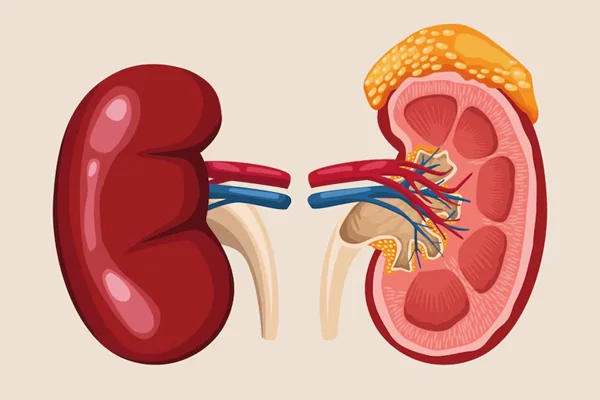
Genetic and Hereditary Kidney Disorders are kidney diseases caused by inherited genetic abnormalities that affect the structure, function, or development of the kidneys. These conditions may be present from birth or develop gradually over time, often affecting multiple generations within a family. Some hereditary kidney diseases progress slowly, while others can lead to severe kidney damage, chronic kidney disease, or kidney failure if not diagnosed and managed early.
At the clinic of Dr. Pranav Tyagi, comprehensive and evidence-based care is provided for patients with genetic and inherited kidney disorders. The focus is on early diagnosis, accurate evaluation, disease monitoring, symptom management, and long-term kidney preservation through personalised treatment strategies and preventive care.
What are Genetic & Hereditary Kidney Disorders?
Genetic kidney disorders occur due to mutations or abnormalities in genes responsible for normal kidney development and function. These conditions can affect:
- Kidney structure
- Kidney filtration function
- Fluid and electrolyte balance
- Urinary system development
- Blood vessel function within the kidneys
Some disorders are inherited directly from parents, while others may occur due to spontaneous genetic mutations.
Common Genetic & Hereditary Kidney Disorders
Polycystic Kidney Disease (PKD)
A condition in which multiple fluid-filled cysts develop inside the kidneys, gradually enlarging them and reducing kidney function.
Symptoms May Include:
- High blood pressure
- Back or abdominal pain
- Blood in urine
- Kidney stones
- Progressive kidney failure
Alport Syndrome
A hereditary disorder affecting kidney filtration membranes along with hearing and vision.
Common Features:
- Blood in urine
- Progressive kidney disease
- Hearing loss
- Eye abnormalities
Congenital Kidney Disorders
Some children are born with structural abnormalities affecting kidney development and urinary flow.
Examples:
- Congenital kidney malformations
- Obstructive urinary disorders
- Reflux nephropathy
Medullary Cystic Kidney Disease
A rare inherited condition causing gradual loss of kidney function and cyst formation.
Symptoms:
- Excessive urination
- Dehydration
- Fatigue
- Progressive kidney damage
Fabry Disease
A genetic metabolic disorder that can damage kidneys, heart, skin, and nervous system.
Kidney-Related Complications:
- Proteinuria
- Reduced kidney function
- Progressive kidney disease
Causes of Genetic Kidney Disorders
Inherited Gene Mutations
Abnormal genes passed from parents to children are the most common cause.
Family History
Individuals with a family history of kidney disease are at higher risk.
Congenital Developmental Abnormalities
Certain kidney disorders develop during fetal growth before birth.
Rare Genetic Syndromes
Some inherited syndromes affect multiple organs, including the kidneys.
Symptoms of Genetic & Hereditary Kidney Disorders
Symptoms may vary depending on the specific condition and severity of kidney involvement.
Blood in Urine
One of the earliest warning signs seen in many inherited kidney diseases.
High Blood Pressure
Kidney abnormalities can affect blood pressure regulation.
Swelling in Legs and Face
Fluid retention may occur due to reduced kidney function.
Frequent Urination
Some disorders impair the kidney’s ability to concentrate urine.
Kidney Stones
Certain genetic conditions increase stone formation risk.
Chronic Fatigue
Reduced kidney function may cause weakness and low energy levels.
Hearing or Vision Problems
Conditions such as Alport Syndrome may involve hearing and eye abnormalities.
Family History of Kidney Disease
Multiple affected family members may indicate hereditary kidney disorders.
Diagnosis of Genetic & Hereditary Kidney Disorders
At the clinic of Dr. Pranav Tyagi, advanced diagnostic evaluation helps identify inherited kidney conditions accurately and early.
Detailed Medical & Family History
Family history evaluation helps identify hereditary disease patterns.
Why It Is Important
It assists in early screening and risk assessment for family members.
Blood Tests
Kidney function and genetic-related abnormalities are assessed through laboratory testing.
Why It Is Important
Blood tests help monitor disease progression and overall kidney health.
Urine Analysis
Urine tests detect protein leakage, blood, and abnormal kidney filtration.
Why It Is Important
Urine abnormalities often provide early signs of kidney disease.
Kidney Imaging
Ultrasound, CT scan, or MRI may be advised to evaluate kidney structure and cyst formation.
Why It Is Important
Imaging studies help identify structural abnormalities and disease severity.
Genetic Testing
Specialised genetic testing may be recommended for confirmation of inherited disorders.
Why It Is Important
Genetic testing supports accurate diagnosis, family counselling, and treatment planning.
Treatment & Management
While many hereditary kidney diseases cannot be completely cured, early treatment can significantly slow disease progression and preserve kidney function.
Blood Pressure Control
Medications are used to maintain healthy blood pressure levels.
Why It Is Important
Good blood pressure control protects kidney function and reduces complications.
Proteinuria Management
Treatment may help reduce protein leakage from the kidneys.
Why It Is Important
Reducing protein loss slows kidney damage progression.
Lifestyle & Dietary Modifications
Healthy diet, hydration, salt restriction, and regular monitoring are advised.
Why It Is Important
Lifestyle management supports long-term kidney health.
Monitoring Kidney Function
Regular follow-up helps track disease progression and detect complications early.
Why It Is Important
Early intervention improves long-term treatment outcomes.
Dialysis & Kidney Transplant Planning
Advanced kidney failure cases may require dialysis or renal transplantation.
Why It Is Important
Timely planning ensures safer long-term kidney replacement therapy.
Importance of Early Detection
Early diagnosis of hereditary kidney diseases can:
- Prevent rapid kidney damage
- Improve treatment outcomes
- Help preserve kidney function longer
- Allow early screening of family members
- Reduce complications and hospitalisation risk
- Support better quality of life
Why Choose Dr. Pranav Tyagi?
Expertise in Complex Kidney Disorders
Comprehensive management of rare and hereditary kidney diseases using advanced nephrology protocols.
Personalised Long-Term Care
Individualised treatment strategies based on genetic condition, symptoms, and disease severity.
Evidence-Based Kidney Management
Modern diagnostic and monitoring techniques ensure accurate evaluation and treatment.
Family Counselling & Preventive Guidance
Education and counselling help patients and families understand inherited kidney conditions.
Multidisciplinary Care Approach
Coordination with genetic specialists, transplant teams, and other healthcare professionals ensures complete care.
Frequently Asked Questions (FAQs)
1. What are Genetic Kidney Disorders?
These are kidney diseases caused by inherited genetic abnormalities affecting kidney structure or function.
2. Are hereditary kidney diseases curable?
Many hereditary kidney diseases cannot be completely cured, but early treatment can slow progression and manage symptoms effectively.
3. Can kidney disease run in families?
Yes, several kidney disorders such as Polycystic Kidney Disease and Alport Syndrome are inherited.
4. What are the warning signs of hereditary kidney disease?
Common signs include blood in urine, swelling, high blood pressure, kidney stones, and family history of kidney disease.
5. Is genetic testing necessary?
In some cases, genetic testing helps confirm diagnosis and identify risks for family members.
6. Can children develop hereditary kidney diseases?
Yes, some inherited kidney conditions appear during childhood or are present from birth.
7. How important is family history in diagnosis?
Family history is extremely important in identifying inherited kidney disorders and early risk assessment.
8. Can hereditary kidney diseases lead to kidney failure?
Yes, if untreated or progressive, some hereditary conditions may eventually cause kidney failure.
9. Are lifestyle changes helpful in genetic kidney disease?
Yes, healthy lifestyle habits, proper diet, hydration, and blood pressure control help protect kidney health.
10. When should I consult a nephrologist?
You should consult a nephrologist if you have persistent kidney-related symptoms or a family history of kidney disease.


