

Glomerulonephritis Autoimmune Kidney Diseases
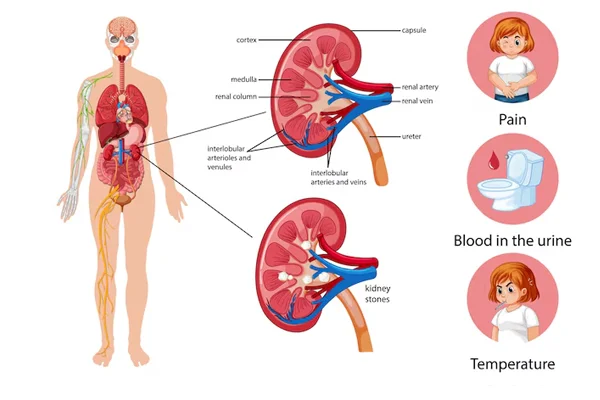
Glomerulonephritis Autoimmune Kidney Diseases
Glomerulonephritis and Autoimmune Kidney Diseases are serious kidney conditions that occur when the body’s immune system damages the kidneys, affecting their ability to filter waste, remove excess fluids, and maintain electrolyte balance. These disorders can develop suddenly or progress gradually over time, leading to chronic kidney disease or kidney failure if not diagnosed and treated early.
At the clinic of Dr. Pranav Tyagi, advanced and evidence-based care is provided for patients suffering from glomerular and autoimmune kidney disorders. The treatment approach focuses on accurate diagnosis, controlling immune system activity, preserving kidney function, and preventing long-term complications through personalised treatment plans and continuous monitoring.
What is Glomerulonephritis?
Glomerulonephritis is inflammation of the glomeruli, which are tiny filtering units inside the kidneys responsible for removing waste products and excess fluids from the blood.
When these filters become inflamed or damaged, the kidneys cannot function properly, resulting in:
- Protein leakage in urine
- Blood in urine
- Fluid retention
- High blood pressure
- Reduced kidney function
Glomerulonephritis may occur suddenly (acute) or develop slowly over several years (chronic).
What are Autoimmune Kidney Diseases?
Autoimmune Kidney Diseases occur when the body’s immune system mistakenly attacks healthy kidney tissues. These conditions may affect the glomeruli, blood vessels, or other kidney structures, causing inflammation and progressive kidney damage.
Common autoimmune kidney disorders include:
- Lupus Nephritis
- IgA Nephropathy
- Vasculitis-related Kidney Disease
- Minimal Change Disease
- Membranous Nephropathy
- Focal Segmental Glomerulosclerosis (FSGS)
- Anti-GBM Disease
Early diagnosis and proper treatment are essential to prevent irreversible kidney damage.
Causes of Glomerulonephritis & Autoimmune Kidney Diseases
Autoimmune Disorders
Diseases such as lupus and vasculitis can trigger immune system attacks on kidney tissues.
Infections
Certain bacterial or viral infections may cause inflammation of the glomeruli.
Genetic Factors
Some kidney diseases may run in families due to inherited genetic abnormalities.
Immune System Dysfunction
Abnormal immune responses may damage kidney filters and blood vessels.
Chronic Medical Conditions
Diabetes, hypertension, and systemic inflammatory diseases can increase kidney damage risk.
Symptoms of Glomerular & Autoimmune Kidney Diseases
Symptoms may vary depending on the severity and type of kidney involvement.
Blood in Urine (Hematuria)
Urine may appear red, brown, or cola-coloured due to bleeding from damaged kidney filters.
Protein in Urine (Proteinuria)
Excess protein leakage can cause frothy or foamy urine.
Swelling (Edema)
Fluid retention may cause swelling in the face, hands, legs, ankles, or feet.
High Blood Pressure
Kidney inflammation can disturb blood pressure regulation.
Fatigue and Weakness
Reduced kidney function may lead to toxin buildup and low energy levels.
Reduced Urine Output
Severe kidney involvement may decrease urine production.
Joint Pain and Skin Rashes
Autoimmune conditions often affect multiple organs, including joints and skin.
Shortness of Breath
Fluid accumulation may affect lung function and breathing.
Diagnosis of Glomerulonephritis & Autoimmune Kidney Diseases
At the clinic of Dr. Pranav Tyagi, advanced diagnostic evaluation is performed to identify the exact cause and severity of kidney involvement.
Blood Tests
Kidney function tests help assess creatinine levels, immune markers, and inflammation.
Why It Is Important
These tests help evaluate overall kidney performance and autoimmune activity.
Urine Analysis
Urine tests detect blood, protein, infection, and abnormal kidney filtration.
Why It Is Important
Urine findings often provide early evidence of glomerular disease.
Autoimmune Marker Testing
Special blood tests help identify autoimmune diseases affecting the kidneys.
Why It Is Important
Accurate diagnosis helps guide targeted treatment strategies.
Kidney Ultrasound
Imaging studies assess kidney size, structure, and possible abnormalities.
Why It Is Important
Ultrasound helps detect structural kidney damage and associated complications.
Kidney Biopsy
A small kidney tissue sample may be taken for microscopic examination.
Why It Is Important
Biopsy provides precise diagnosis and helps determine disease severity and treatment planning.
Treatment for Glomerulonephritis & Autoimmune Kidney Diseases
Treatment depends on the underlying disease, severity of inflammation, and overall kidney function.
Immunosuppressive Therapy
Medicines may be prescribed to reduce immune system overactivity and kidney inflammation.
Why It Is Important
These medications help prevent further kidney damage and disease progression.
Blood Pressure Management
Blood pressure control is essential to protect kidney function.
Why It Is Important
Uncontrolled hypertension can worsen kidney injury and increase complications.
Proteinuria Control
Specific medications help reduce protein leakage from damaged kidneys.
Why It Is Important
Reducing proteinuria slows disease progression and preserves kidney health.
Fluid and Salt Management
Dietary modifications may be recommended to control swelling and blood pressure.
Why It Is Important
Balanced fluid and salt intake reduce stress on the kidneys.
Infection Prevention and Monitoring
Patients receiving immunosuppressive therapy require close infection monitoring.
Why It Is Important
Early detection and treatment of infections improve treatment safety.
Dialysis Support (If Required)
In severe kidney failure cases, dialysis may be needed temporarily or long-term.
Why It Is Important
Dialysis helps remove toxins and maintain body balance when kidney function declines significantly.
Benefits of Early Treatment
- Preserves kidney function
- Prevents permanent kidney damage
- Reduces inflammation and immune activity
- Controls blood pressure and protein leakage
- Improves quality of life
- Lowers the risk of kidney failure and dialysis dependency
Why Choose Dr. Pranav Tyagi?
Specialised Nephrology Expertise
Comprehensive management of complex kidney and autoimmune disorders using modern nephrology protocols.
Personalised Treatment Plans
Every patient receives customised care according to disease type, severity, and health condition.
Evidence-Based Kidney Care
Advanced diagnostic tools and updated treatment guidelines ensure accurate and effective management.
Long-Term Monitoring
Regular follow-up and kidney function monitoring help prevent complications and disease progression.
Compassionate Patient Counselling
Detailed guidance and transparent communication help patients understand their condition and treatment options.
Frequently Asked Questions (FAQs)
1. What is Glomerulonephritis?
Glomerulonephritis is inflammation of the kidney’s filtering units (glomeruli), which affects normal kidney function.
2. Are autoimmune kidney diseases serious?
Yes, if left untreated, they can lead to chronic kidney disease, kidney failure, and other serious complications.
3. What causes autoimmune kidney diseases?
They occur when the immune system mistakenly attacks healthy kidney tissues.
4. What are the common symptoms of glomerular kidney disease?
Common symptoms include swelling, blood in urine, proteinuria, high blood pressure, fatigue, and reduced kidney function.
5. Can Glomerulonephritis be cured?
Some cases can be fully treated, while others require long-term management to control disease progression.
6. Is kidney biopsy necessary?
In many cases, a kidney biopsy helps confirm diagnosis and determine the most effective treatment plan.
7. Can these diseases cause kidney failure?
Yes, untreated or severe autoimmune kidney diseases may eventually lead to kidney failure.
8. Are autoimmune kidney diseases hereditary?
Certain kidney diseases may have genetic links, but not all cases are inherited.
9. How important is early diagnosis?
Early diagnosis significantly improves treatment success and helps preserve kidney function.
10. Does diet play a role in treatment?
Yes, dietary modifications including salt, fluid, and protein management can support kidney health and recovery.


