

Renal Transplantation
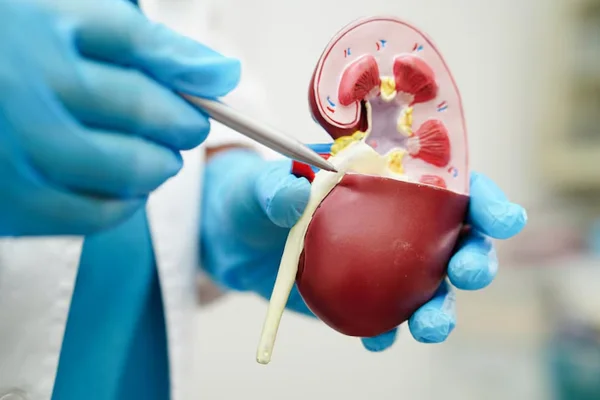
Renal Transplantation, commonly known as Kidney Transplant, is one of the most effective treatment options for patients suffering from end-stage kidney disease or severe chronic kidney failure. A kidney transplant involves replacing a damaged or non-functioning kidney with a healthy kidney from a living or deceased donor. This procedure helps restore kidney function, improve quality of life, and reduce dependence on long-term dialysis.
At the clinic of Dr. Pranav Tyagi, comprehensive Renal Transplantation care is provided with a patient-focused and evidence-based approach. From pre-transplant evaluation and donor assessment to post-transplant monitoring and lifelong kidney care, every stage is carefully managed to ensure the best possible outcomes for patients and their families.
What is Renal Transplantation?
Renal Transplantation is a surgical procedure in which a healthy kidney is transplanted into a patient whose kidneys are no longer functioning adequately. The transplanted kidney takes over the essential functions of filtering waste products, balancing fluids, controlling electrolytes, and maintaining overall body health.
A kidney transplant may be recommended for patients with:
- End-Stage Renal Disease (ESRD)
- Advanced Chronic Kidney Disease (CKD)
- Long-term dialysis dependency
- Severe kidney failure affecting daily life
- Genetic or inherited kidney disorders
Kidney transplantation often provides better long-term survival and improved quality of life compared to permanent dialysis.
Types of Kidney Transplantation
Living Donor Kidney Transplant
In this procedure, a healthy kidney is donated by a living family member, relative, or compatible donor.
Benefits
- Better transplant success rates
- Shorter waiting period
- Faster recovery and improved outcomes
- Reduced dialysis dependency before transplant
Deceased Donor Kidney Transplant
A kidney is received from a deceased donor whose organs are medically suitable for transplantation.
Benefits
- Life-saving option for patients without living donors
- Helps improve long-term kidney function and overall health
Who Needs a Kidney Transplant?
Renal Transplantation may be advised for patients whose kidney function has significantly declined and can no longer support normal body functions.
Common conditions requiring transplant include:
Chronic Kidney Disease (CKD)
Progressive kidney damage caused by diabetes, hypertension, or other medical conditions.
End-Stage Renal Disease (ESRD)
Complete or near-complete kidney failure requiring dialysis or transplant support.
Polycystic Kidney Disease
A genetic condition causing multiple cysts in the kidneys and gradual kidney failure.
Glomerular Diseases
Diseases affecting the kidney’s filtering units, leading to severe kidney damage.
Congenital Kidney Disorders
Certain birth-related kidney abnormalities may eventually require transplantation.
Symptoms of Advanced Kidney Failure
Patients requiring transplant evaluation may experience:
- Severe fatigue and weakness
- Swelling in legs, feet, or face
- Reduced urine output
- Persistent nausea or vomiting
- Loss of appetite
- Difficulty breathing
- High blood pressure
- Sleep disturbances
- Itching and muscle cramps
These symptoms often indicate advanced kidney dysfunction requiring specialised nephrology care.
Pre-Transplant Evaluation
At the clinic of Dr. Pranav Tyagi, detailed pre-transplant assessment is performed to ensure patient safety and transplant suitability.
Medical Evaluation
Complete assessment of kidney disease severity, overall health, heart function, and associated medical conditions.
Blood and Tissue Matching
Compatibility testing is performed between donor and recipient to reduce rejection risk.
Infection Screening
Screening for infections and other medical issues is important before transplantation.
Psychological and Lifestyle Assessment
Patients are counselled regarding lifestyle changes, medication adherence, and long-term follow-up requirements.
Donor Evaluation
Potential donors undergo detailed medical and compatibility testing to ensure safe donation.
Kidney Transplant Procedure
The transplant surgery involves placing the healthy donor kidney into the lower abdomen of the recipient. The new kidney is connected to blood vessels and the urinary bladder to restore normal kidney function.
Important Points:
- The damaged kidneys are usually not removed unless medically necessary.
- Surgery is performed under general anaesthesia.
- Hospital stay and recovery duration vary depending on patient condition.
Post-Transplant Care
Successful kidney transplantation requires lifelong medical monitoring and medication management.
Immunosuppressive Medications
Special medicines are prescribed to prevent the body from rejecting the transplanted kidney.
Why It Is Important
These medications help protect the new kidney and maintain long-term transplant success.
Regular Kidney Function Monitoring
Routine blood tests and follow-up visits help assess transplant performance.
Why It Is Important
Early detection of complications improves long-term kidney survival.
Infection Prevention
Patients are monitored carefully because immunosuppressive medications may increase infection risk.
Why It Is Important
Preventing infections helps protect both overall health and transplanted kidney function.
Lifestyle and Dietary Guidance
Healthy diet, hydration, exercise, and medication compliance are essential after transplant.
Why It Is Important
A healthy lifestyle supports kidney health and improves recovery outcomes.
Benefits of Renal Transplantation
- Improved quality of life
- Better long-term survival compared to dialysis
- Increased energy and physical activity
- Fewer dietary and fluid restrictions
- Improved heart and overall body health
- Greater independence from dialysis treatment
- Enhanced emotional and psychological well-being
Risks Associated with Kidney Transplantation
Although kidney transplantation is highly successful, certain risks may occur:
- Organ rejection
- Infection risk
- Medication side effects
- Blood clots or bleeding
- High blood pressure
- Recurrence of original kidney disease
Regular follow-up and proper medication adherence significantly reduce these risks.
Why Choose Dr. Pranav Tyagi for Renal Transplantation Care?
Comprehensive Transplant Guidance
Complete support is provided from transplant evaluation to long-term post-transplant care.
Evidence-Based Nephrology Care
Modern transplant protocols and international nephrology guidelines are followed for optimal outcomes.
Personalised Patient Counselling
Detailed counselling helps patients and families understand every stage of the transplant journey.
Multidisciplinary Coordination
Close collaboration with transplant surgeons, intensivists, dialysis specialists, and dietitians ensures seamless care.
Long-Term Follow-Up Support
Continuous monitoring and preventive care help maintain healthy transplant function for years.
Frequently Asked Questions (FAQs)
1. What is Renal Transplantation?
Renal Transplantation is a procedure in which a healthy kidney is transplanted into a patient with severe kidney failure.
2. Who is eligible for a kidney transplant?
Patients with end-stage kidney disease or severe chronic kidney failure may be eligible after detailed medical evaluation.
3. Is a kidney transplant better than dialysis?
For many patients, kidney transplantation offers better quality of life and long-term survival compared to lifelong dialysis.
4. Can a family member donate a kidney?
Yes, compatible family members or healthy living donors can donate a kidney after proper medical assessment.
5. How long does a transplanted kidney last?
The lifespan of a transplanted kidney varies, but with proper care and medications, many kidneys function well for several years.
6. Are medications required after kidney transplant?
Yes, lifelong immunosuppressive medications are necessary to prevent organ rejection.
7. How long is recovery after kidney transplant surgery?
Recovery time varies, but most patients gradually return to normal activities within a few weeks to months.
8. Can kidney rejection be prevented?
While rejection cannot always be completely prevented, regular follow-up and proper medication adherence greatly reduce the risk.
9. Is kidney transplant surgery safe?
Kidney transplantation is a commonly performed and generally safe procedure when managed by experienced specialists.
10. What lifestyle changes are needed after transplant?
Patients should maintain a healthy diet, avoid infections, take medications regularly, stay hydrated, and attend routine follow-up appointments.


